
 How seriously does the average consumer take data theft? It’s an interesting (and fair) question, and one that Radware recently attempted to answer when the company sent out surveys. They contacted more than three thousand people to conduct its recent survey titled “Consumer Sentiments: Cybersecurity, Personal Data and the Impact on Customer Loyalty.”
As it turns out, today’s consumers take the matter even more seriously than many other types of crimes.
Here are some of the highlights from the recent report:
A full 55 percent of those surveyed said that data theft was their top concern
The theft of a personal wallet ranked a distant, with just 23 percent of respondents placing it as their top concern
10 percent of respondents listed auto theft as their primary concern
Just 6 percent listed the theft of their cell phone and house keys as their #1 concern
Anna Convery-Pelletier, Radware’s Chief Marketing Officer, had this to say about the report:
“It’s no surprise that data theft ranks so high in the minds of Americans as a major risk. It’s easy to buy a new car or a new cell phone, but having private data exposed can have permanent consequences for both the consumer and the brand where the breach occurred. When an organization does not properly secure its network, it is putting its brand reputation in jeopardy and risking its customer base.”
While that’s true, some of the results are curious. After all, the theft of a cell phone ranks quite low in terms of top concerns, but cellphones contain a treasure trove of personal data, which points to an odd disconnect in the survey results.
Additionally, while 54 percent of survey respondents said that having their social security number stolen was a major concern, only 18 percent said they were worried about having their banking information stolen, and only 9 percent listed the theft of healthcare information as a big issue.
In the end then, the survey raises at least as many questions as it answers, but it does shine a much needed light on a fascinating topic. Clearly, more study and education is needed.

President & CEO
I hope you enjoyed this article. My mission is to take your stress away from dealing with IT problems. Call (252) 565-1235 or send me a message at our contact us page if you have a question, comment or want help.
 These days, we expect giant corporations, government agencies and medical facilities to be the targets of hackers. However, golf is something new.
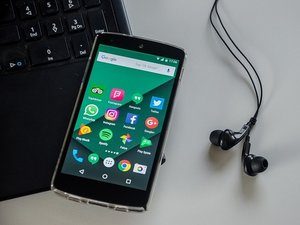 Android 9 is finally here, at least for some users. As of today, if you have any of the following phones, you can get the latest update:
 F-Secure recently published a new report, and their findings are disturbing.
 Can you imagine life without the always-on internet? If you’re like most people today, it’s a simply indispensable tool, and the thought of suddenly being without it makes you shudder and brings images of the Dark Ages to mind.
 File this away under things you already knew. Coronet recently released a report entitled “Attention All Passengers: Airport Networks Are Putting Your Devices & Cloud Apps At Severe Risk,” and the news is about what you’d expect.
 Mimecast’s 2018 “State of Email Security” report is out, and although it’s contents are hardly a surprise, the news it contains is mostly bad.
 There is a small but significant change from Google, with the release of Chrome 68. The updated browser will now prominently notify browsers when they surf their way to non-HTTPS websites, displaying them as “Not Secure.”
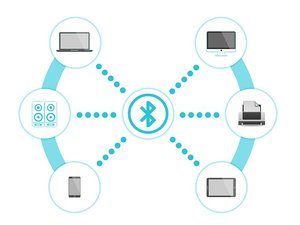 There’s a new Bluetooth security vulnerability to be aware of, tracked as CVE-2018-5383, and it’s a nasty one.
 The girl scouts have officially moved into the 21st century.

