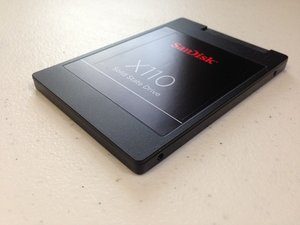
 Big changes are in the works in the SSD-based storage ecosystem. It includes three different vendors all making similar announcements regarding designs to help companies that rely on SSD-based storage systems to reduce duplication and control data creep.
It’s not hard to see why they’re scrambling. Although the price of SSD-based storage systems are coming down, it’s a slow process. Currently, a gigabyte’s worth of SSD storage costs about forty cents, versus about five cents per gigabyte of HDD storage. Less data duplication means less data to store, making the SSD drives utilizing the new technology more efficient.
Here’s a quick overview of the solutions offered by the three major vendors in this space:
Hitachi – Hitachi is working to upgrade all-flash F-Series and its hybrid flash/hard disk G-Series of drives, as well as its SVOS operating system. The improvements to the operating system include new AI-based container and operations support and introduced a new feature in the form of the “Hitachi Infrastructure Analytics Advisor.” This provides real-time analysis of your data center optimization across all storage devices, networks, servers and virtual machines in a bit to more efficiently predict data center needs and optimize/troubleshoot data storage.
HPE – The company has upgraded their “Nimble” storage line, which includes an array of all-flash products, a hybrid disk-flash product line and a secondary flash line. The big change here is that the company’s products now support inline, variable block size deduplication. The company claims this change makes their products “the most efficient hybrid arrays in the industry by a wide margin.”
IBM – IBM has issued an upgrade to its Storwize arrays, the first in more than two years. The update improves cloud integration, overall disk performance and an array of enhanced deduplication tools, claiming as much as a 5:1 data reduction while retaining 100 percent data availability (provided you’re using IBM HyperSwap).
How big an impact these changes will have remains to be seen, but kudos to all three companies for taking decisive steps to bolster the performance of their storage devices.

President & CEO
I hope you enjoyed this article. My mission is to take your stress away from dealing with IT problems. Call (252) 565-1235 or send me a message at our contact us page if you have a question, comment or want help.
 Brinker International (the parent company of the Chili’s restaurant chain) formally announced that on May 11, they discovered malware on an undisclosed number of their point of sales terminals. Details are sketchy at this point, because the investigation is still ongoing, but the company had the following to say about the incident:
 An identity threat company called 4iQ has recently published a report called “Identities in the Wild: The Tsunami of Breached Identities Continues.” Unfortunately, the information in the report contains all bad news. Some of the details are simply confirmations of things we already knew, and some are shocking statistics that will leave you feeling dismayed.
 There’s a new security threat to be worried about, and security professionals are warning that it could be very bad indeed. The new malware is known as the “Vega Stealer,” and is currently being used in a relatively simplistic phishing campaign designed to harvest financial data that has been saved in both Google Chrome and Firefox browsers. Unfortunately, based on an analysis of the code, it could be a much more serious threat.
 Depending on which side of the privacy debate you’re on, you’re either going to love or hate this announcement:
 Hulu recently announced that it would join both Netflix and Amazon Prime in allowing its users to download content to watch offline, but in Hulu’s case, it comes with a twist.
 In terms of toys, what could possibly be better than LEGOS? How about LEGOS, combined with Alexa? That’s the latest idea from Amazon, who has paired the unlikely duo in a newly announced service called “LEGO Duplo Stories.” The new service (“skill,” in the parlance of Alexa) will be available on any device that offers Alexa support including Echo Dot and Amazon Echo. It provides a selection of stories with audio prompts that guide children in the construction of something with their LEGO Duplos that ties in with the story being told.
 Before Google released its Chrome browser, Firefox felt pretty good about their arrangement. They got a handsome reward in exchange for making Google.com their default search engine. It was a win-win.
 Microsoft has been having some “issues” of late. It’s April Windows 10 rollout had to be delayed on account of some mysterious BSOD (“Blue Screen of Death”) issues. This month’s rollout is plagued by similar problems, trading the BSOD issues for problems with both “Hey Cortana” and Google’s Chrome browser.
 At this year’s F8 Developer’s conference, Facebook announced a raft of changes and updates it will be rolling out later this year. Some are fun, others practical, but they’re all interesting. Here are the highlights: