 Yahoo has the dubious honor of having been on the receiving end of the largest data breach in history. As a consequence, the company has recently agreed to pay $50 million in damages and provide free credit monitoring services to its impacted users.
The company actually suffered a pair of breaches in 2013 and in 2014, although this information was not disclosed by the company until 2016. All of the company’s 3 billion users were impacted, and more than 200 million of them saw losses arising from that breach.
The compromised data included: usernames, email addresses, dates of birth, security questions (and their answers) backup email addresses, and phone numbers exposed.
The particulars of the settlement are as follows:
Yahoo pays $50 million to users whose accounts were compromised
Yahoo pays $35 million in legal fees
People who paid for a $20 or $50 a year for a Yahoo Premium account will be eligible for a 25 percent refund
People who had their email accounts compromised will be compensated $25 per hour for the time they spent handling issues related to the breach. Although in this case, users with documentation will see their compensation limited to a maximum of fifteen hours, while users without documentation will be limited to a maximum of five hours of compensation
Any impacted user can request free credit monitoring, which the company will offer for two years
Verizon, which acquired Yahoo in 2017, will pay for half of the settlement cost. Meanwhile, Altaba (the company that arose from the remainder of the original Yahoo business) will pay the $35 million fine imposed by the US Securities and Exchange Commission for the company’s failure to disclose the breach to its investors.
It’s a landmark case, and once the deal gets final approval, notices will be emailed to affected account holders and published in People and National Geographic magazines.

President & CEO
I hope you enjoyed this article. My mission is to take your stress away from dealing with IT problems. Call (252) 565-1235 or send me a message at our contact us page if you have a question, comment or want help.
 As far as hackers are concerned, no target is safe. Not even the Girl Scouts.
 IBM has recently announced what is to be the largest open source acquisition in history. They’re buying Red Hat for a staggering $34 billion dollars. This, as the saying goes, changes everything.
 This hasn’t been a great month for two of the titans of tech. Both Apple and Microsoft have been plagued with bug-riddled updates to their operating systems. In Apple’s case, their new iOS 12 had to be patched just three weeks after its release because of all the bugs the company’s burgeoning user base discovered almost immediately after updating.
 By now, almost everyone has heard of the Spectre and Meltdown security flaws that have been making headlines for more than a year. They’re serious flaws with dire implications for tens of millions of users around the world who have an intel-based PC.
 In 2016, an unnamed US energy company left some 30,000 records (containing information about its security assets) exposed for more than two months (a total of 70 days), in violation of energy sector cyber security regulations. When the incident was initially reported, the name of the company was withheld.
 If you fly Air Canada and use their mobile app, it may be time to change your password. The company recently announced that between August 22nd and August 24th of this year, they detected “unusual log-in behavior,” and that a small fraction (some 20,000) of their 1.7 mobile app users may have had their data compromised as a result.
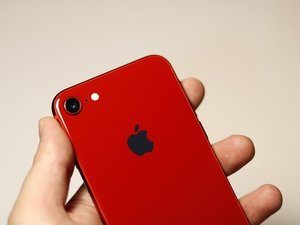 Do you own an iPhone 8? If so, you may have problems. Apple has recently reported that a small percentage of iPhone 8s “contain logic boards with a manufacturing defect.
 A dark day for Lifelock, the Identity Theft Protection company. It has recently come to light that the company may have accidentally exposed their customers to additional attacks.
 Twitter has long had a reputation for being at the mercy of bots that have been used to sway public discourse and opinion.