 Chromebooks have brought Android apps to a much wider market, making them accessible to virtually everyone, but the Chrome OS has always lagged behind other platforms developmentally.
One of its most serious limitations where running apps was concerned centered on its inability to multitask. Basically, if the app you’re using is not “in focus” or in the window you’re currently viewing, all activity in the app ceases.
There are a few exceptions such as the Spotify app, but most apps that rely on real time data and most games will freeze when a user clicks out of the window. If you’re coming to Chromebook from almost any other platform, it can be annoying and hard to get used to.
Fortunately, you won’t have to deal with this for much longer. Google recently announced the release of Chrome OS 64, which will, among other things, allow apps to continue running in the background, even when you’re not using them in the active window.
Right now, the update is available on the company’s Beta channel, so it’s a fair bet that it will be rolled out to the general user base in the very near future. However, the company has not given a firm timeframe for that.
If you have a Chromebook, this is good news indeed as it corrects what many industry insiders have long seen as a glaring weakness of the platform.
While Chromebooks don’t get much use at the Enterprise level, they are a cost-effective computing option for students and low-income people, and it’s good to see Google spending time and resources improving them.
While the latest version offers a number of enhancements, the two biggest are the multitasking support mentioned above, and the “split view” feature which will further enhance the multitasking capabilities of the platform.

President & CEO
I hope you enjoyed this article. My mission is to take your stress away from dealing with IT problems. Call (252) 565-1235 or send me a message at our contact us page if you have a question, comment or want help.
 Not long ago, observant Reddit users noted and began discussing a curious phenomenon. It appeared that older iPhones were unexpectedly slowing down, and no one could name the reason why.
 What’s the next big thing for the PC world? If the industry’s major players have anything to say about it, it will be the “always-on” PC.
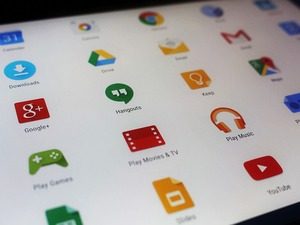 How many apps do you have on your smartphone? Do you know how much data they’re collecting about you?
 On the surface, the new Facebook For Kids messenger app looks like a solid win that should put the minds of parents all over the world at ease.
 Do you have an Android phone? Is it running either Lolipop, Marshmallow or Nougat? Those three account for slightly more than 75 percent of the Android phones in service today, so odds are excellent that you do. If so, you should be aware of a nasty vulnerability that could allow a hacker to perform at-will screen captures and audio recording without your knowledge.
 Google recently found itself in a bit of hot water after an investigation by Quartz revealed that the company was intrusively collecting location data on literally every Android device in use today. That’s billions of devices all over the globe.
 OnePlus phones have been getting plenty of bad press lately, thanks to malicious apps found to be factory-installed on a percentage of the devices, along with some intrusive data collection features the manufacturer has installed. As it turns out, though, the story gets worse.
 The new version of Firefox is out, and if you’ve moved away from the browser in recent years, it may be time to give it another look.
 Google’s Play Store is under siege. In recent month, there has been a sharp spike in malware campaigns launched against the store, with a shocking number of poisoned apps slipping past Google’s robust system of checks designed to prevent, or at least minimize such occurrences.