
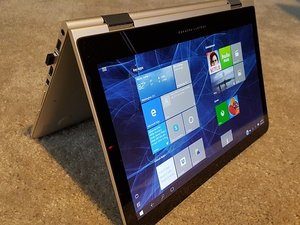
 If you’ve used Windows 10 for any length of time, you’ve probably had this happen to you. You’re right in the middle of working on something important, and all of a sudden, your OS decides it would be a great time to install some updates!
In response to user complaints, Microsoft introduced a “snooze” feature that allowed users to delay the installation of upgrades.
However, this sparked as many complaints as it silenced, because unfortunately, it causes more frequent device reboots. Now, Microsoft is trying again.
According to Dona Sarkar, Window’s Insider Chief:
“We heard you, and to alleviate this pain, if you have an update pending, we’ve updated our reboot logic to use a new system that is more adaptive and proactive.”
The company is using machine learning to accurately predict when the best time to restart the device is.
“We will not only check if you are currently using your device before we restart, but we will also try to predict if you had just left the device to grab a cup of coffee and return shortly after,” Sarkar says.
So far, the company has limited itself to internal testing, but the early results have been promising. As of now, the new model should be available to Windows Insiders (Redstone 5 and 19H1 updates), which will give company engineers a much broader pool of feedback which will allow for additional fine-tuning.
It’s too early to tell if this is indeed the solution to the problem, but if it is, it will finally put an end to one of the most frustrating aspects of using Windows 10. We have to say, we’re impressed with the changes in the company in recent years. Kudos to Microsoft for taking action and being responsive to their user base.

President & CEO
I hope you enjoyed this article. My mission is to take your stress away from dealing with IT problems. Call (252) 565-1235 or send me a message at our contact us page if you have a question, comment or want help.
 Mimecast’s 2018 “State of Email Security” report is out, and although it’s contents are hardly a surprise, the news it contains is mostly bad.
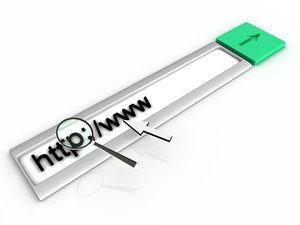 There is a small but significant change from Google, with the release of Chrome 68. The updated browser will now prominently notify browsers when they surf their way to non-HTTPS websites, displaying them as “Not Secure.”
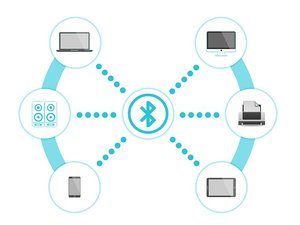 There’s a new Bluetooth security vulnerability to be aware of, tracked as CVE-2018-5383, and it’s a nasty one.
 The girl scouts have officially moved into the 21st century.
 If you’re like most people, you probably rely heavily on the GPS function of your phone. Type in an address and your phone helpfully guides you, turn by turn, to your destination. It’s one of the most often utilized features of a smartphone, and of course, the hackers are very interested in interfering with it.
 Positive Technologies has just released a new report that paints a grim picture for IT professionals. If your sense is that the number of cyberattacks are increasing, you’re not wrong. In fact, it’s probably worse than you realize.
 A majority of business owners from around the world (68 percent) feel that they’re better prepared to ward off a cyberattack and prevent a data breach than their competitors. This is a figure which is up 8 percent over last year’s statistic for the same question. This, according to a recent survey by FICO.
 According to the Kremlin, Russia prevented almost twenty five million cyber-attacks during the World Cup this year.
 On May 14th, the Billings Clinic in Montana issued a breach notification statement, which explained that they detected unusual activity within one of its employee’s email accounts.

