 Google has another new product out. A slimmed down, streamlined version of the Android OS called “Go.” Unfortunately, it’s release didn’t gather as much press as you’d expect when a new OS is released. The reason for that is simple. The new, slimmer, sleeker Android Go was designed for low-end phones with limited storage capacity, which don’t typically get much press either.
Despite the relative lack of fanfare, Android Go is an interesting app that deserves some attention, even if you don’t own a low-end phone. At first glance, it’s got a lot going for it, although it remains to be seen if users will embrace it and make full use of its capabilities.
The first major noteworthy difference between Go and the standard Android OS is the fact that it doesn’t take up nearly as much space. Counting the OS itself and the Android default apps, the entire package requires just over 3GB, which is a significant space savings. This makes a real difference on low-end phones, which typically have no more than 8GB of storage to begin with.
Second, it comes with an app called “File Go” that offers users suggestions on files that can be moved to the cloud or safely removed altogether. Another app known as “Datally” makes tools available to manage how much data other apps on the phone are using, especially helpful for people who have limited data plans.
Third, there’s a special “YouTube Go” version of the standard YouTube app that gives users three different video streaming options: basic, standard, and high quality. This comes with information about how much data each of the three options will eat up.
In addition to those changes, Google has added a special section to its Play Store, highlighting apps that don’t require a lot of space.
Android Go is aimed specifically at users in developing nations, as this is where the highest concentration of low-end smartphones can be found. As to how successful the new OS will be, only time will tell, but early indications are encouraging.

President & CEO
I hope you enjoyed this article. My mission is to take your stress away from dealing with IT problems. Call (252) 565-1235 or send me a message at our contact us page if you have a question, comment or want help.
 Depending on who you ask, Google’s Project Zero is either the thing that’s going to singlehandedly save the internet, or the bane of many companies’ existence. It’s easy to see both sides of the argument.
 Google is poised to make an important change to its Chrome browser beginning in July 2018.
 Image theft is one of the biggest problems on the internet. If you’re a photographer, you’ve almost certainly lost money because people find your work online and make a copy of it rather than paying for the right to use it.
 The latest Brand Finance Global 500 report out and contains some surprises this year.
 Google recently released their Play Store stats for 2017. The results are both encouraging and disheartening. Overall, Google caught and removed more than 700,000 malicious apps from the Play Store, minimizing their impact on the company’s massive Android user base.
 Do you play Blizzard online computer games such as World of Warcraft, Diablo III, Hearthstone, Starcraft II, or Overwatch? If so, there’s a potential problem you need to be aware of.
 Normally, Google’s robust series of checks and audits are pretty good at catching malicious code and preventing it from making its way to the Play Store. Sometimes, however, something slips through anyway despite the company’s best efforts. This latest one is particularly bad.
 Do you use any of the following Chrome browser extensions?
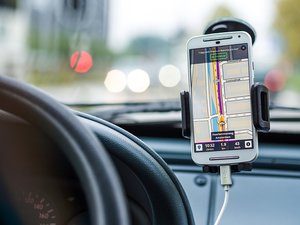 A duo of researchers stumbled across a series of vulnerabilities in literally hundreds of GPS services that leave sensitive GPS tracking data open to hackers. Dubbed “Trackmageddon” by the researchers, the vulnerabilities span a range of weaknesses that include default or easy-to-guess passwords, IDOR (Insecure Direct Object Reference) issues, insecure API endpoints, and data collection folders that are entirely unsecured.