 Remember the KRACK WiFi (WPA2) vulnerability, discovered by Mathy Vanhoef? It turns out that his discovery was a catalyst for action. Recently, the WiFi Alliance, which is the industry’s standards organization, released details about its new WPA3 protocol.
Here’s a quick rundown of the changes you can expect to see in the months ahead:
Enhancements in encryption capabilities – The new protocol will enable encrypted connections between connected devices and the router/access point, and the cryptographic standard has been improved. According to the WiFi Alliance, it will be “a 192-bit security suite, aligned with the Commercial National Security Algorithm (CNSA) Suite from the Committee on National Security Systems, which will further protect Wi-Fi networks with higher security requirements such as government, defense, and industrial.”
The ability to configure one WiFi enabled device to configure other devices on the network – As an example, you’ll now be able to configure a network-connected smart device that doesn’t have a display screen from your smartphone or PC connected to the same network.
More protection – In addition to offering more robust encryption, the new standard will also offer enhanced protection against brute force attacks by halting the WiFi authentication process after some number of failed login attempts. This mirrors the functionality found on many web-based authentication systems.
All of these are welcome changes indeed, but despite relatively quick action on the part of the WiFi Alliance, it will still be several months before consumers are able to purchase devices that offer WPA3 support.
Mathy Vanhoef, the researcher who brought the KRACK attack to the world’s attention, had this to say about the recent announcement:
“The standards behind WPA3 already existed for a while, but now, devices are required to support them. Otherwise, they won’t receive the WPA3-Certified label. Linux’s open source Wi-Fi client and access point already support the improved handshake, it just isn’t used in practice. But hopefully, that will change now.”
This is good news indeed, and will help make wireless networks more secure. Kudos to Mathy Vanhoef for his discovery, and for spurring the industry into action.

President & CEO
I hope you enjoyed this article. My mission is to take your stress away from dealing with IT problems. Call (252) 565-1235 or send me a message at our contact us page if you have a question, comment or want help.
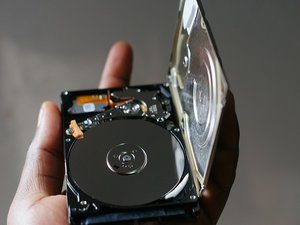 What’s an HDD manufacturer to do when faced with competition by faster, more efficient SSD drives?
 Recently, a group of investors wrote an open letter to Apple, urging the company to do more in regards to offering better and more robust parental controls on the devices the company makes. Although the group of investors control some $2 billion in Apple stock, this is a drop in the proverbial bucket, given the company’s $900 billion market cap. Nonetheless, the letter seems to have gotten Apple’s attention.
 Did you purchase an HP laptop between December of 2015 and December of 2017? If so, then you may have problems.
 The owners of Android devices have been able to properly view vertical videos for more than two years, but for Apple users, it was a different story.
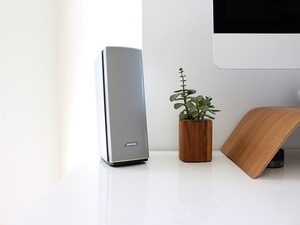 Have you been hearing strange, otherworldly sounds on your Bose or Sonos speakers? If so, rest assured that your speakers aren’t haunted. They’ve likely been hijacked by hackers.
 Another week, another attack vector, and this one deserves extra points for creativity.
 AMD long ago dropped support of 32-bit operating systems, and now, Nvidia is following suit. The long-anticipated move by the company will mean the end of driver support for the 32-bit builds of Windows 7, Windows 8, Windows 8.1, Windows 10, Linux and FreeBSD.
 “Paint” is one step closer to being a thing of the past.
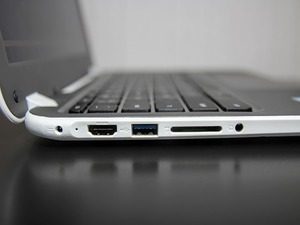 Chromebooks have brought Android apps to a much wider market, making them accessible to virtually everyone, but the Chrome OS has always lagged behind other platforms developmentally.