
 AMD long ago dropped support of 32-bit operating systems, and now, Nvidia is following suit. The long-anticipated move by the company will mean the end of driver support for the 32-bit builds of Windows 7, Windows 8, Windows 8.1, Windows 10, Linux and FreeBSD.
Nvidia is taking a balanced, responsible approach here. The company has pledged to continue offering 32-bit driver security updates until January 2019, but will immediately discontinue making performance updates to the drivers of older OS’s.
In some respects, it’s long overdue. Today’s application environment is incredibly resource intensive, with a growing number of applications requiring more computing horsepower than 32-bit systems can deliver, since a 32-bit OS can only support up to 4GB of RAM.
The picture gets even bleaker if you’re a gamer. Even modest games tend to require more than 4GB of RAM these days, and most top-tier titles no longer offer support for 32-bit systems. That, combined with the fact that 32-bit systems are somewhat less secure overall, it’s probably time they were put to pasture.
Given this landscape, it’s probably time to pronounce the 32-bit operating system dead. If you’ve got some legacy applications still running on an old machine, now is the time to get serious about your migration plan.
Most of the older OS’s are no longer receiving security updates, which leaves you increasingly vulnerable to a wide range of hacks. That, coupled with the increasingly sparse driver support makes it inevitable that you’ll have to migrate at some point, and it’s always better to do it on your terms than someone else’s.
If you haven’t yet worked out what to do about your old legacy systems, it’s long past time to do so. The clock has been ticking for a while now, and the ticking just got a little bit louder.

President & CEO
I hope you enjoyed this article. My mission is to take your stress away from dealing with IT problems. Call (252) 565-1235 or send me a message at our contact us page if you have a question, comment or want help.
 “Paint” is one step closer to being a thing of the past.
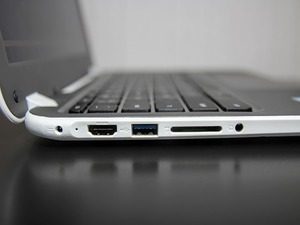 Chromebooks have brought Android apps to a much wider market, making them accessible to virtually everyone, but the Chrome OS has always lagged behind other platforms developmentally.
 Not long ago, observant Reddit users noted and began discussing a curious phenomenon. It appeared that older iPhones were unexpectedly slowing down, and no one could name the reason why.
 SplashData has released their latest annual report on the most commonly used passwords. Unfortunately, the more things change, the more they stay the same.
 Apple has been quietly working on something called “Project Marzipan” for a couple of years now, and it appears that they’re getting closer to unveiling it.
 Do you use “Keeper?” If you’re not sure what it is, then you probably don’t. It’s a password manager that Microsoft has been bundling with some of its Windows 10 releases. Either way, there’s a serious flaw in its design that you should be aware of.
 In the malware ecosystem, few strains are more terrifying than those that target industrial control systems. Think Stuxnet, Industroyer and IronGate. Recently, security researchers from FireEye have identified a new threat in this class of malware. Alternately called “Triton” or “TRISIS,” this new code targets Triconex Safety Instrumented Systems (SIS) controllers, which are manufactured by Schneider Electric. These control systems are found in a wide range of industrial equipment. They are, in effect, the gears that keep the machine of modern industry moving.
 In recent months, Microsoft Word has been getting a fair amount of bad press, thanks to an old-but-still-supported feature called DDE (Dynamic Data Exchange). This is the feature that allows Word to pull data from other MS Office applications. For instance, if you embed a chart into your Word document, each time you open the doc, it will automatically poll the spreadsheet the chart was created from an update it dynamically.
 If you have a Genie DVR system, you should be aware of a major security flaw in the firmware that could allow a hacker to take complete control over the device.

