 Score one for the good guys. A researcher from BrilliantIT was recently able to figure out how infected computers would connect to EITest’s command and control server, and using that information, was able to bring down their entire network.
If you haven’t heard of EITest before, the true significance of that statement might not be registering.
EITest first appeared in 2011. In its original incarnation, it was little more than an annoyance. It was a collection of compromised servers used to direct web traffic to poisoned websites, where the owners could infect unsuspecting users with their homegrown malware.
In 2013, EITest’s owners got savvy, relentlessly grew their network to more than 52,000 compromised machines and started renting their network out to hackers around the world to drive traffic to their poisoned websites. This unleashed a torrent of wildly destructive malware. Ever since, it’s been a thorn in the side of IT professionals everywhere.
Using the crack discovered by BrilliantIT, researchers were able to redirect all traffic to a sinkhole, effectively shutting the network down altogether.
Since then, it appears that the hackers have made one halfhearted attempt to regain control of their network, and then apparently gave up on the idea.
While this is undeniably good news, EITest isn’t the only traffic distribution network on the Dark Web, and even if the hackers have given up on the idea of recovering access to their old network, there’s nothing stopping them from building a whole new one. That’s not to undercut the significance of the victory here, but rather, merely to point out that it’s a temporary win and reprieve, at best. They’ll be back. They always come back.
Good news is rare on the security front, and when it is found, we should all take a moment to celebrate. Kudos to the team at BrilliantIT!

President & CEO
I hope you enjoyed this article. My mission is to take your stress away from dealing with IT problems. Call (252) 565-1235 or send me a message at our contact us page if you have a question, comment or want help.
 There are some big changes coming to Facebook, which may have some serious unintended consequences.
 Marvell Semiconductor has a new product out, and it’s a game changer. Their new “Alaska” chip (the Alaska C 88×7120) is the first on the market to support the new 802.3 standard. The 802.3cd is on tap to eventually replace current Ethernet ports running at 25Gbps to 100Gbps with ports that will run at 50Gbps, 200 Gbps, and 400 Gbps.
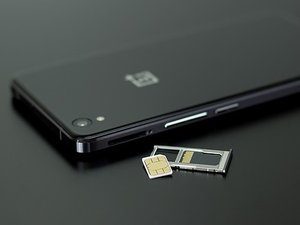 SIM cards have long been a source of frustration for equipment manufacturers. With the relentless drive to produce smaller and smaller devices, the SIM card is a hurdle to be overcome. It’s relatively large, and when you account for the necessary housing, it becomes quite the design challenge.
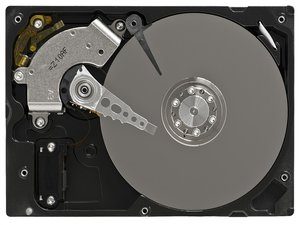 Rumors of the death of HDD technology have been greatly exaggerated. The advancement of solid state technology and its increasing rate of adoption has been largely responsible for this, but don’t count old school HDDs out just yet. They still have many important advantages, and recent breakthroughs should add further to the longevity of the tech.
 The latest Brand Finance Global 500 report out and contains some surprises this year.