 Do you own a Mac? Do you use APFS “sparse disk images?” If so, be aware that under certain conditions, your trusty computer may allow you to copy important data into the void where it will be lost forever, without giving you a heads up first.
This unusual error was recently discovered by Mike Bombich, the creator of Carbon Copy Cloner, which is a popular Mac backup application. According to Mr. Bombich, the bug is only likely to impact a small percentage of users, but if you’re one of the unlucky few who lose important data, that’s going to be small consolation.
Here’s how the bug works, and where it can get you into trouble:
Let’s say you’ve created a 100 GB APFS-formatted sparse image whose data is stored on a remote network share.
Time passes, and you copy 90 GB worth of data to the remote network share, which leaves just 10 GB for use by your sparse image, but therein lies the problem. The sparse image still thinks it’s got the full amount of space to play with.
At this point, if you copy a 20 GB file, the copy function will appear to succeed. In the short run, you’ll still be able to access and open the file until you reboot your machine. After restarting, 10 GB of the 20 GB file copy vanishes, and the file becomes corrupt and unusable.
Details of the bug have been forwarded to Apple, and the company is in the process of reviewing them. At this point, no ETA has been given on when a fix might be made available. Until it is, be very careful when using sparse images, because the system will let you copy your files right into oblivion.
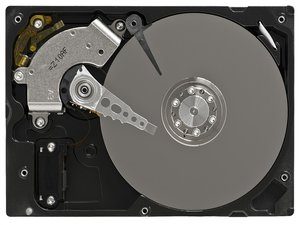 Rumors of the death of HDD technology have been greatly exaggerated. The advancement of solid state technology and its increasing rate of adoption has been largely responsible for this, but don’t count old school HDDs out just yet. They still have many important advantages, and recent breakthroughs should add further to the longevity of the tech.
 There’s a new strain of the “Rapid Ransomware” making the rounds, and because of how it’s being transmitted, it’s destined to have a higher than average rate of infection. The new strain was first discovered by Derek Knight. It is disturbing because it claims to come from the IRS, and will feature subject lines like “IRS Urgent Message-164.”
 Here’s a statistic that is as disturbing as it is frustrating. According to the latest “State of the Internet/Security” report for the fourth quarter of 2017, as published by Akamai, bot-traffic accounts for a staggering 43 percent of all login attempts. As bad as that figure is on its face, it’s far worse for companies in the hospitality industry, where the figure is an almost unbelievable 82 percent.
 Last year, Apple had to fix a “special character” bug in their Message app that was more of an annoyance than anything. This year, a new special character bug has been found, but this one is much more serious and could allow an attacker to crash your phone and block access to a variety of messaging apps.
 Hackers are picky about their victims. They’ll target just about any group or organization, including the 2018 Olympics.
 Do you own a smart TV? More than half of all television sales in the US last year were smart TVs, so chances are decent that you own one. If you do, be aware that it may be collecting far more data about you than you think.
 Google is poised to make an important change to its Chrome browser beginning in July 2018.
 Image theft is one of the biggest problems on the internet. If you’re a photographer, you’ve almost certainly lost money because people find your work online and make a copy of it rather than paying for the right to use it.
 There are big changes coming to MS Office which you need to be aware of, given how widely used “Office” is in most companies.