 The statistics are alarming. Ransomware is fast becoming the favored hobby horse of hackers worldwide. Barely a week goes by that a new strain isn’t introduced into the wild, with expensive, and often tragic consequences. Right now, the average amount paid by office workers impacted by a ransomware attack is $1400, a figure that continues to creep higher.
What’s perhaps even more alarming, however, is the fact that although companies the world over have made a concerted effort to sound the alarm on the danger this type of software represents, no more than 30 percent of knowledge workers have any real understanding of the dangers that ransomware poses, according to Intermedia’s 2017 Data Vulnerability Report.
One of the most curious findings of the report was the fact that employees more often shoulder the costs of ransomware payments than employers do, with fully 59 percent of impacted employees paying the ransom out of their own pockets.
Unfortunately, small and medium-sized businesses are particularly vulnerable to this large and growing threat. Jonathan Levine, Intermedia’s CTO, had this to say on the topic:
“As ransomware continues to evolve and become more advanced, organizations of all sizes and types must acknowledge it as a very real threat. This is especially true for SMBs that may not have the resources, tools or training that larger organizations use to recognize, prevent and protect themselves from such attacks. Ransomware can infiltrate and shut down an entire business through just one infected computer. More often than not, SMBs feel they are forced to pay a ransom they can’t, but must afford, and hackers realize this.”
Perhaps worst and most distressing of all is the fact that 19 percent of the time, even when a ransom is paid, the files are never unlocked, making it a bad gamble. If you run a company of any size, make sure your employees from top to bottom fully appreciate the threat this attack vector poses.

President & CEO
I hope you enjoyed this article. My mission is to take your stress away from dealing with IT problems. Call (252) 565-1235 or send me a message at our contact us page if you have a question, comment or want help.
 You may not have heard of the new strain of ransomware known as BadRabbit. If you haven’t, it’s because the overwhelming percentage of BadRabbit attacks have been occurring in Russia, which accounts for 71 percent of all known infections at present. Unfortunately, there have been a few infections reported in the United States, which may be a harbinger of things to come.
 An Austrian software engineer named Felix Krause has made a disturbing discovery about iPhones using iOS11. Once an app has been given permission to access the device’s camera, it can take pictures and videos without alerting the user and upload them to the internet in real time.

 For hackers around the world, success breeds more success, it seems.
 Hackers around the world are continuing to innovate at a terrifying, relentless pace, and that truth is reflected in the latest form of ransomware to be found in the wild.
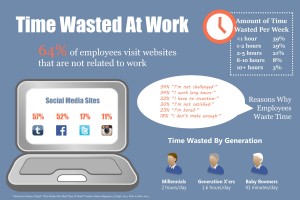 can choose which websites you allow your employees to access. You can even go as far as to customize which employee can go to which website. For example, a marketing coordinator might need access to Facebook while an accountant doesn’t. Using web filtering, will cut down on time wasted by employees and hopefully increase productivity within your company.
 File this one away under “obscure and terrifying.â€�
File this one away under “obscure and terrifying.�