 Microsoft has made numerous ventures into the smartphone ecosystem, but so far, they’ve only been met with limited success. This time, they’re trying something a little different.
Instead of making their own Windows-based phones, they’ve created a “Your Phone” app that syncs your phone with your PC. The app is still in testing and is slated to be released sometime in October.
At present, while there are two versions (Android and iOS), the Android version is currently more limited than the iOS version. The Android version works like this: If you take a picture with your Android smartphone, it will sync automatically to your PC, allowing you to access or edit the image in something close to real time.
With the iOS version, you can surf the web on your phone, send the web page to your phone and pick up surfing where you left off. That’s much handier, because among other things, it allows you to start watching a streaming video on your phone, then switch to a bigger screen for a better viewing experience.
In addition to the development of this new app, Microsoft is taking steps to try and bolster the popularity of its Edge browser. Coming soon will be a biometric sign-in for Edge, which gives users a password-free method of signing into websites in hopes of keeping at least some percentage of users from switching their default browsers to Chrome, Firefox, or some other option.
At present, the changes are interesting, but not compelling. We expect that Microsoft will continue heavily investing in integration, however, in a bid to increase its presence in the market. Whether their latest efforts will bear fruit remains to be seen, but from what we’ve seen so far, the early versions of the Your Phone app show promise. Kudos to Microsoft, and here’s hoping these first steps lead to even greater integration and an improvement to the overall experience down the road.
 File this away under things you already knew. Coronet recently released a report entitled “Attention All Passengers: Airport Networks Are Putting Your Devices & Cloud Apps At Severe Risk,” and the news is about what you’d expect.
 Twitter has long had a reputation for being at the mercy of bots that have been used to sway public discourse and opinion.
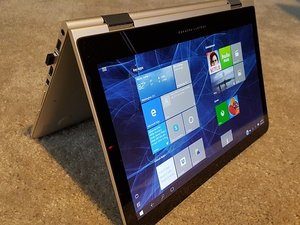 If you’ve used Windows 10 for any length of time, you’ve probably had this happen to you. You’re right in the middle of working on something important, and all of a sudden, your OS decides it would be a great time to install some updates!
 Mimecast’s 2018 “State of Email Security” report is out, and although it’s contents are hardly a surprise, the news it contains is mostly bad.
 There is a small but significant change from Google, with the release of Chrome 68. The updated browser will now prominently notify browsers when they surf their way to non-HTTPS websites, displaying them as “Not Secure.”
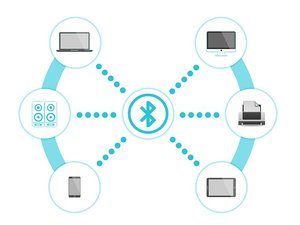 There’s a new Bluetooth security vulnerability to be aware of, tracked as CVE-2018-5383, and it’s a nasty one.
 The girl scouts have officially moved into the 21st century.
 If you’re like most people, you probably rely heavily on the GPS function of your phone. Type in an address and your phone helpfully guides you, turn by turn, to your destination. It’s one of the most often utilized features of a smartphone, and of course, the hackers are very interested in interfering with it.
 Positive Technologies has just released a new report that paints a grim picture for IT professionals. If your sense is that the number of cyberattacks are increasing, you’re not wrong. In fact, it’s probably worse than you realize.