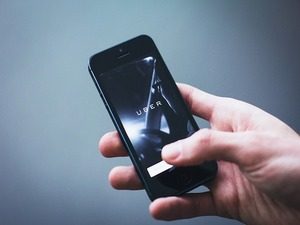
 It has recently come to light that the company was hacked in 2016 in a massive breach that exposed the personal information of more than 57 million Uber users and drivers. A wide range of data was stolen. Where users were concerned, names, email addresses, and phone numbers were compromised.
As bad as that is, the problem was even worse for more than 600,000 of the company’s drivers who had their driver’s license numbers hacked, too.
Standard protocol is that when a breach like this occurs, the company will engage law enforcement officials as appropriate, hire a third-party security firm to help with the forensic investigation and notify their consumers.
Unfortunately, that’s not the path Uber chose to take. Instead, they paid the hackers $100,000 in exchange for keeping quiet about the hack and deleting the stolen data.
The company kept the incident under wraps for more than a year, but eventually, word of the attack leaked out, and the fallout has been catastrophic. Uber’s CEO Dara Khosrowshahi has asked for the resignation of the company’s Chief Security Officer, Joe Sullivan, and one of his deputies, Craig Clark, both of whom worked to keep the attack quiet.
In a formal statement, Khosrowshahi had this to say:
“None of this should have happened, and I will not make excuses for it. While I cannot erase the past, I can commit on behalf of every Uber employee that we will learn from our mistakes. We are changing the way we do business, putting integrity at the core of every decision we make and working hard to earn the trust of our customers.”
As is common in the aftermath of events like these, Uber is offering its impacted customers a free year’s worth of credit monitoring services and will likely force password changes for its app users. More than a year too late, but it’s something.
File this away under how not to handle a data breach.

President & CEO
I hope you enjoyed this article. My mission is to take your stress away from dealing with IT problems. Call (252) 565-1235 or send me a message at our contact us page if you have a question, comment or want help.
 Security researcher Jaromir Jorejsi of Trend Micro has discovered a disturbing new strain of ransomware named qkG that spreads by way of macros inside MS Word.
 This past summer, an Italian security researcher named Manuel D’Orso discovered a nasty malware attack aimed at WordPress sites.
 Do you have an Android phone? Is it running either Lolipop, Marshmallow or Nougat? Those three account for slightly more than 75 percent of the Android phones in service today, so odds are excellent that you do. If so, you should be aware of a nasty vulnerability that could allow a hacker to perform at-will screen captures and audio recording without your knowledge.
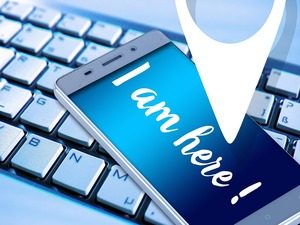 Google recently found itself in a bit of hot water after an investigation by Quartz revealed that the company was intrusively collecting location data on literally every Android device in use today. That’s billions of devices all over the globe.
 Do you have an older Epson printer that suddenly stopped working? If so, it may not be the printer at all, but a recent Windows update that lies at the heart of the issue.
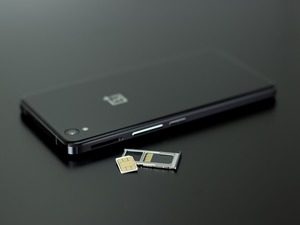 OnePlus phones have been getting plenty of bad press lately, thanks to malicious apps found to be factory-installed on a percentage of the devices, along with some intrusive data collection features the manufacturer has installed. As it turns out, though, the story gets worse.
 The world’s hackers have been busy according to the latest report by Comodo security, which tracks the total number of threats around the globe, quarter by quarter. The latest statistics are alarming, showing a massive jump in the total number of malware infections reported in the third quarter of 2017. Reports show nearly 400 million infections.
 Unfortunately, another high-profile data breach has surfaced. The latest company to fall victim is US-based fashion retailer Forever 21, operating more than 800 stores in 57 countries.