The Void in VoIP Knowledge
What is VoIP or voice over Internet protocol? Why is it better than traditional land-line phone service? These are common questions when it comes to the quickly growing VoIP services being implemented by businesses over every size. The simple answer is VoIP services offer a state-of-the-art communication system that allows your business to expand its technology and capabilities, without expanding costs.
Turn in the Line for the Web
While a traditional telephone call is transmitted directly over land telephone lines, VoIP takes a more digital route. Specifically, the analog audio signals that you hear and transmit over a land-line, are transformed into digital data and transmitted over the internet. This new telephone software allows you to bypass the telephone company, and their excessive costs, all together.
You Decide the Device
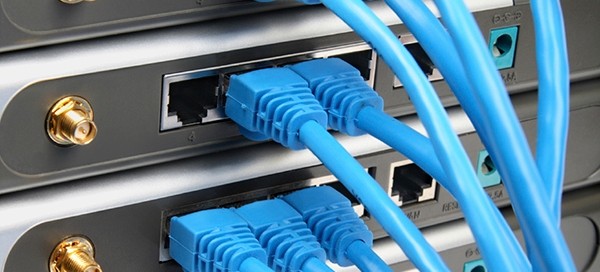
Wondering if you need special equipment for VoIP? The answer is no. An ATA or analog telephone adapter will allow you to connect a traditional phone to your computer or your internet connection and use the VoIP system. IP Phones take this one step further as they bypass traditional phone connections for Ethernet connections that are routed directly into your computer or router. These IP Phones allow you to quickly and easily connect to a VoIP system wherever a router or WiFi connection is available. Lastly, you can always chat computer-to-computer with a VoIP system. These computer-to-computer calls are the easiest way to use a VoIP system and even allow you to use a video program to see the individuals you are speaking with and giving your conversation a more personal touch.
Get a Head Start
A majority of major phone companies are already using VoIP systems to maintain call flow and streamline demand. As this method continues to grow, so will the standard for using and needing a VoIP system at your business, in your office and even in your home. As VoIP systems expand, you and your employees will be able to easily transition business calls from anywhere you travel, and thus keep you on track, on pace and ahead of the competition.

 If you own and operate a small business, lowering costs is an important part of keeping your company in the black. Cutting costs on your IT budget could inadvertently compromise your company’s security. Even though small businesses may not have all of the resources that large corporations do, they are still just as vulnerable to the same security threats. Here are ways to help secure your small business: